지시어별 데이터 흐름
이 페이지는 지시어가 디스패치된 뒤 하드웨어 내부에서 데이터가 실제로 흐르는 경로를 보여준다. 아래의 그림은 탑레벨 아키텍처 의 블록 다이어그램을 지시어 관점에서 다시 정리한 것이다.
1. GEMM
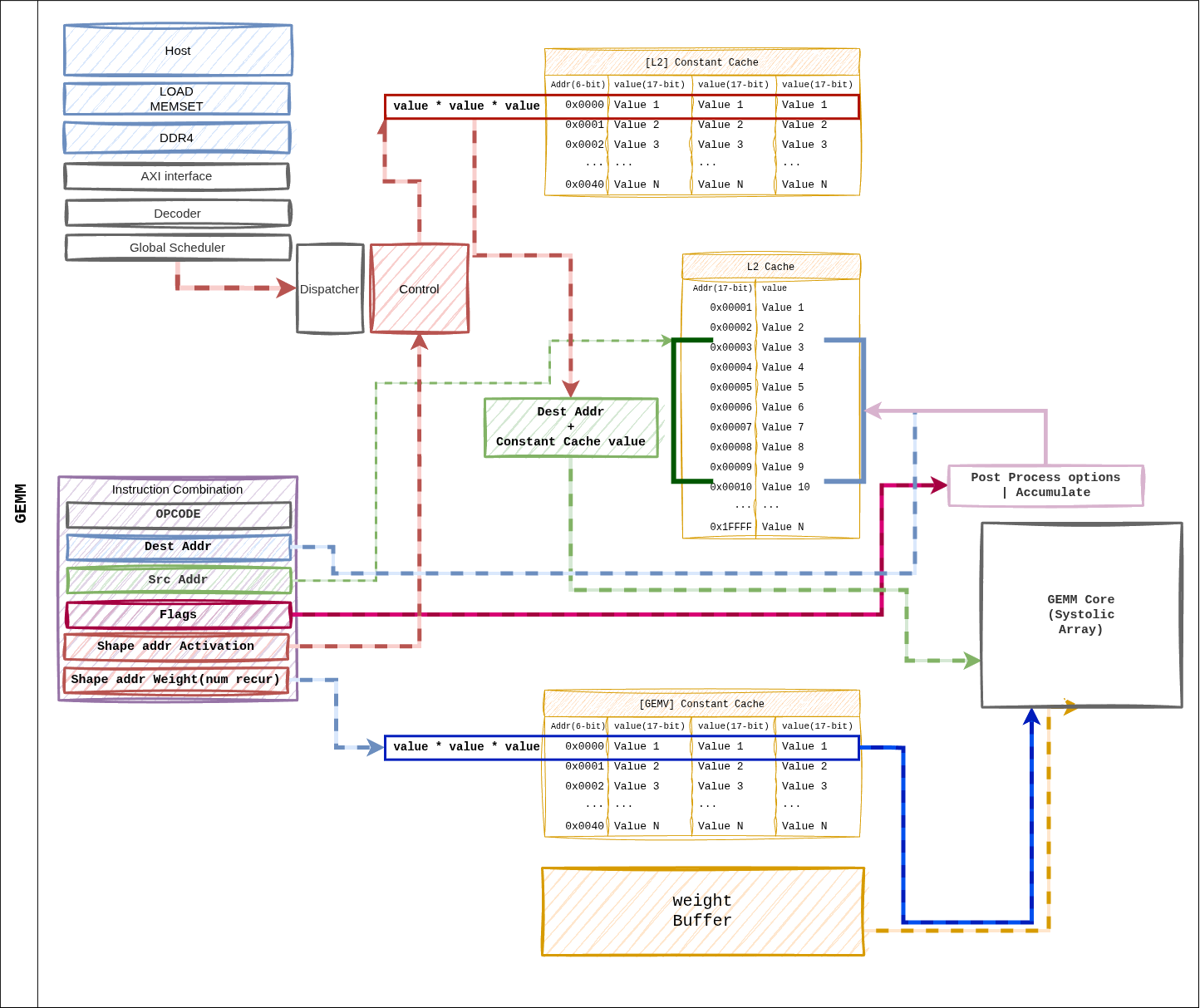
- 그림 5: GEMM 지시어가 디스패치될 때의 데이터 흐름.
dest_addr와src_addr는 L2 캐시 주소 공간에 존재하며, shape/size 포인터가 Constant Cache를 가리킨다.
경로 요약
Dispatcher가 Constant Cache에서
shape_ptr_addr/size_ptr_addr를 읽어 타일 파라미터를 얻는다.Weight Buffer는 HP 포트에서 한 타일 분량의 가중치를 프리패치한다.
L2 캐시의
src_addr값으로 활성값을 systolic array로 스트리밍한다.배열은 Weight Stationary → Accumulator → Post-Process 순으로 누산한다.
결과는
dest_reg위치의 L2 캐시에 다시 쓴다.
2. GEMV
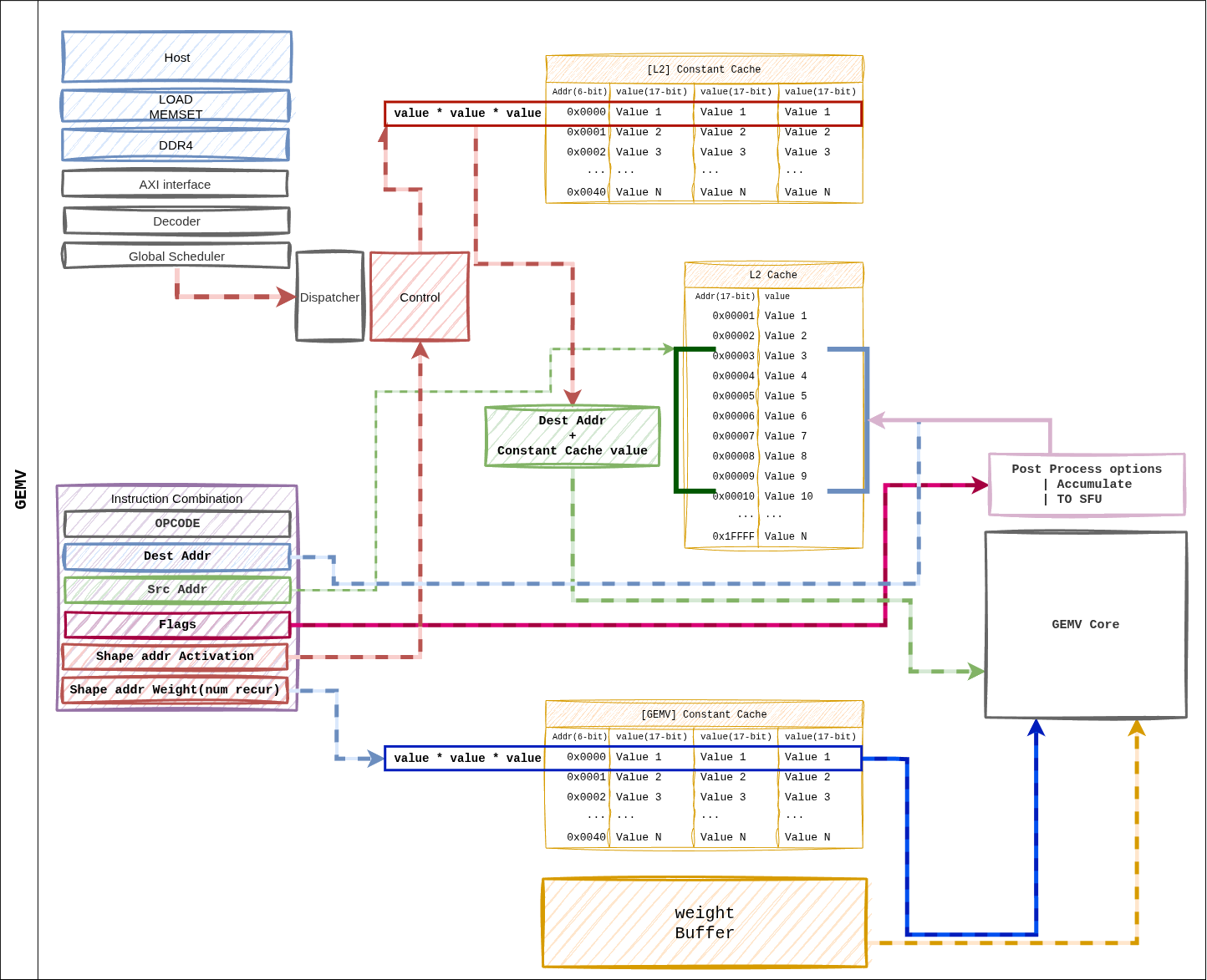
그림 14 그림 6. GEMV 지시어 데이터 흐름. ISA 레이아웃은 GEMM과 동일하지만 가중치 소비는 Weight Streaming 방식이며, 4개의 GEMV 코어로 병렬 분산한다.
경로 요약
Dispatcher가 포인터를 해석해 코어별 shape 분배를 수행한다.
Weight Buffer → 4개 GEMV 코어로, 행(row partition) 단위로 스트리밍.
L2 캐시 → 코어별 L1 캐시로 활성값을 선적재.
각 코어 내부 32-lane LUT 기반 MAC + 5단계 축소 트리로 스칼라 결과 생성.
후처리(스케일, 바이어스) → L2 캐시 또는 SFU FIFO로 전달.
3. MEMCPY
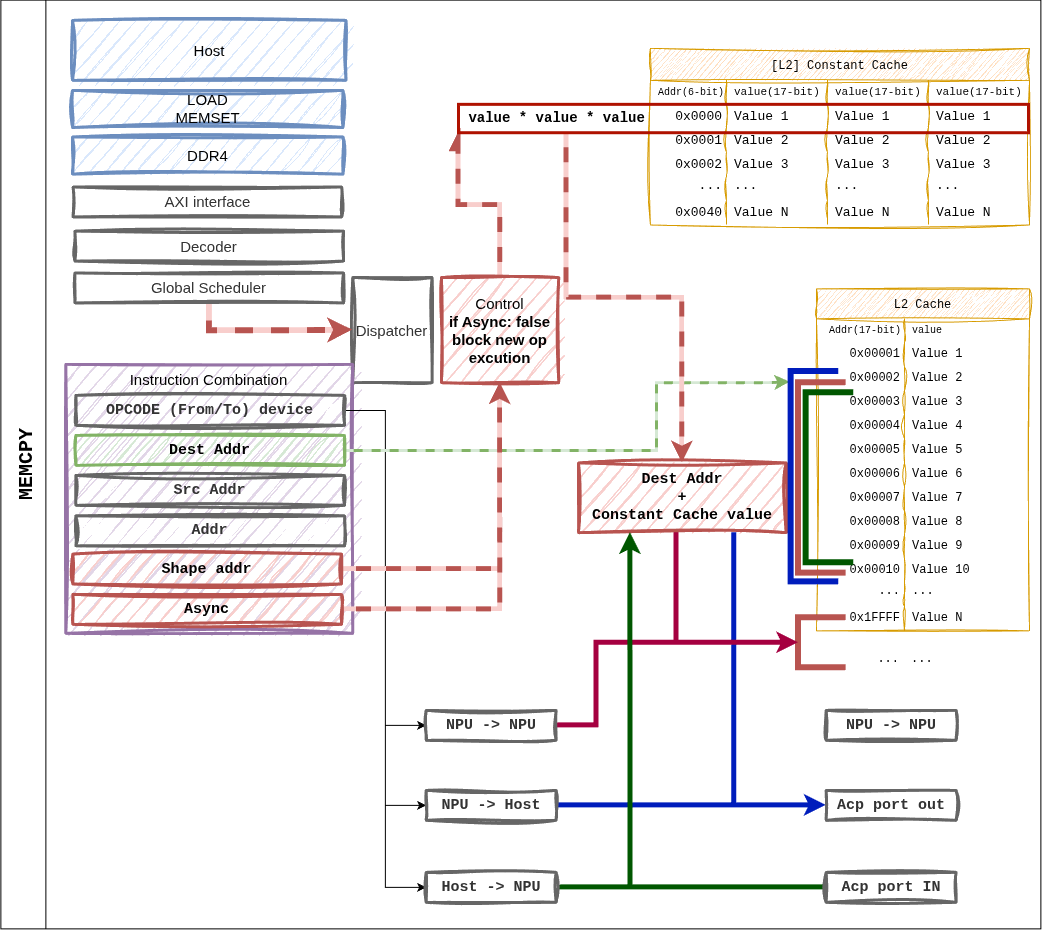
그림 15 그림 7. MEMCPY 지시어. from_device / to_device 조합으로
host ↔ NPU 및 NPU ↔ NPU 전송을 지원한다.
지원 조합
from_device |
to_device |
경로 |
|---|---|---|
1 (Host) |
0 (NPU) |
ACP → L2 캐시 쓰기. 가중치/입력 로드에 사용. |
0 (NPU) |
1 (Host) |
L2 캐시 → ACP. 출력 토큰 / KV 항목 반환. |
0 (NPU) |
0 (NPU) |
L2 내부 블록 이동(온디바이스 재배치). |
async = 1 일 때 실행은 다음 지시어로 즉시 넘어간다. 완료 펜스 추적은
Global Scheduler가 수행한다.
4. MEMSET
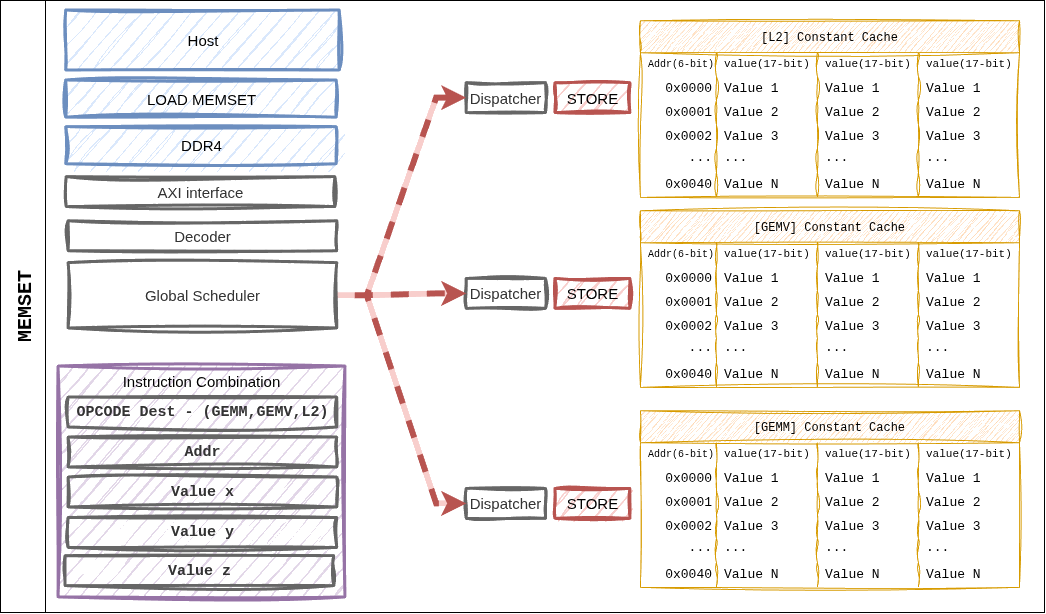
- 그림 8: MEMSET은 Dispatcher에서 Constant Cache로 직접 기록한다.
L2 캐시를 우회하는 유일한 지시어다.
특징
한 지시어는 한 번에 최대 3개의 16-bit 값(
a,b,c)을 쓸 수 있다.일반적으로 레이어 시작 시 (M, N, K) 튜플 초기화, 또는 가중치/활성값 스케일 팩터 주입에 사용한다.
dest_cache는 대상 캐시 bank를 선택한다(fmap_shapevs.weight_shape).
5. CVO (SFU)
특수 함수 유닛(SFU, 또는 CVO)은 BF16 스칼라 파이프라인에서 비선형 연산을 실행한다.
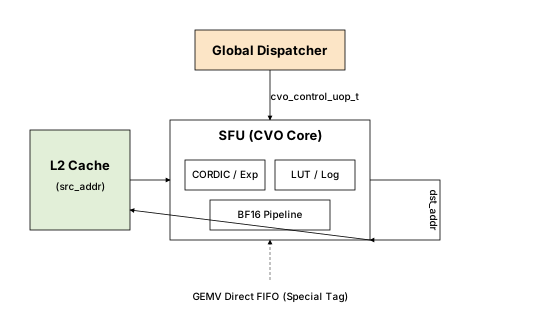
그림 16 그림 9. SFU(CVO) 지시어 데이터 흐름. L2 캐시 스트리밍과 GEMV 코어로부터 직접 빠른 경로를 모두 지원한다.
빠른 경로: SFU가 직전 GEMV 출력을 즉시 소비하면 src_addr 값이
특수 태그로 설정되어 L2 왕복이 생략된다. Dispatcher의 의존성 추적 로직이
이를 자동으로 결정한다.
6. 의존성 및 완료 처리
지시어 간 의존성은 Global Scheduler가 다음 두 항목으로 처리한다.
주소 hazard: dest / src L2 주소의 read-after-write 의존성.
자원 hazard: GEMM / GEMV / SFU 자원 점유 상태.
비동기 지시어(async = 1)의 완료는 fsmout_npu_stat_collector 블록이 수집하며,
AXI-Lite STAT_OUT 레지스터를 통해 host로 보고한다.